Materials: Properties, Uses & Impacts — Print · Grade 8 Science
Chapter: Properties of MatterMaterials: Properties, Uses & Impacts
Learning goals
- I can connect a material’s measured properties to a particular use.
- I can explain how a synthetic material comes from natural resources and evaluate a trade-off.
- I can compare synthetic-material resources, properties and impacts using distinct sources.
Readings for this unit
Before this unit
Compare measurable properties and identify a design constraint.
Use three teaching sessions of about 40–45 minutes: first observe the phenomenon, draft a model and study Parts 1–2; next explain Parts 3–4 with the figures and evidence; then work the application, examples, practice, model revision and exit check. Divide any difficult part into smaller steps and revisit after feedback. Investigations, review and quizzes have separate sessions. Study the four visual parts across the scheduled sessions, then use the illustrated worked case and independent transfer questions. Extend or revisit a session when the learner cannot explain the figure; completion time is a proposed allocation, not a mastery guarantee.
Start with something to explain
What would explain the observations in materials: properties, uses & impacts?
Illustrative evidence case. Illustrative container trials give material A 0 leaks in 3 tests but only 2 successful reuse cycles; B 1 leak in 3 tests and 20 reuse cycles. Costs and manufacturing impacts are unknown.
Notice and wonder
Which stage is measured by a one-minute leak test? Write two observations from the supplied record without guessing their cause. Include a quantity and its unit when given. An observation is what was recorded; an inference is what you think explains it.
Write one question about why the pattern occurs and one question about a comparison that could distinguish competing explanations. A testable question identifies what could be observed or measured.
Your first model
Before reading the model answer, sketch the named objects or particles and label what you think changes. Choose a provisional material for one stated use. Compare water resistance and reuse, and specify a missing measurement instead of declaring a universal winner. Keep this first version so you can compare it with your later explanation.
Build the language from the idea
- synthetic material
- A material made through human-directed processing, often involving chemical reactions.
- constraint
- A limit that a design must satisfy.
- trade-off
- A benefit gained at the cost of another desirable feature.
- model
- A representation that explains selected features and makes predictions; it leaves other details out.
- evidence
- Relevant observations or records used to support or challenge a claim.
- system boundary
- The chosen limit separating the objects being studied from their surroundings.
- assumption
- A condition taken as true for a model or calculation and needing to be checked against the case.
A material is useful because of its properties. A raincoat needs to resist water and bend; a cooking pan should transfer thermal energy and keep its shape. There is no single “best” material. A choice depends on the task, the evidence, and limits such as cost, mass, or durability.
People make synthetic materials by processing resources and, often, using chemical reactions to create substances with different properties. Many plastics start with chemicals obtained from petroleum or natural gas. Some are made from plant-derived resources. “Synthetic” describes how a material is made; it does not by itself tell us whether the material is harmful or helpful.
Evaluate the whole use: where the resources come from, energy used in production, useful lifetime, and what happens afterward. A reusable container may reduce waste if it is used many times. A material that lasts a long time can be useful in a building yet create a disposal problem when discarded. Support comparisons with evidence and identify information you still need.
Start a material choice by naming the job and constraints. A raincoat must keep water out and allow movement; a bridge cable needs strength under tension. Rank the important properties before comparing materials, because one useful property may come with an unwanted trade-off.
Use measurements rather than labels such as natural or synthetic as a substitute for evidence. Record how many times a material can be reused, how much mass is needed and how it behaves in the intended environment. Production methods can change the properties of materials made from similar resources.
A life-cycle comparison includes resource extraction, manufacture, use and disposal. Compare equivalent jobs, such as carrying the same groceries for a year. A durable product used only once may lose the benefit of durability. State missing evidence and explain how it could change the decision.
Build your understanding
Where this fits
This unit helps answer the chapter question: How can the properties of a material help us explain it and choose a useful application? Keep a notebook table with the question, evidence, explanation and one unresolved issue. Revise a previous model only when you can name the new evidence or idea that changes it.
Use three teaching sessions of about 40–45 minutes: first observe the phenomenon, draft a model and study Parts 1–2; next explain Parts 3–4 with the figures and evidence; then work the application, examples, practice, model revision and exit check. Divide any difficult part into smaller steps and revisit after feedback. Investigations, review and quizzes have separate sessions.
Part 1 · Define the job before choosing a material
A material is useful when its properties match a job. Begin with criteria such as strength, flexibility, insulation, or water resistance. Constraints are limits such as cost or total mass. A material that succeeds in one job can fail in another, so the word best needs a stated purpose.
Read the visual model
What is the difference between a criterion and a constraint?
Visual reasoning — after your attempt
A criterion is a desired performance, such as preventing leaks. A constraint is a limit, such as a maximum mass or budget, that a proposed solution must meet.
A food container may need to resist leaks and repeated washing. A window must transmit visible light. List must-have requirements separately from desirable features before reading a comparison table; otherwise a convenient feature can hide a failure of the main job.
Pause and explain
What is the difference between a criterion and a constraint?
Check your reasoning after answering
A criterion is a desired performance, such as preventing leaks. A constraint is a limit, such as a maximum mass or budget, that a proposed solution must meet.
Part 2 · Link structure and processing to properties
Materials may come directly from resources or be processed into new forms. Synthetic describes manufacture, not an automatic judgment about safety or usefulness. Processing, composition, and structure can affect flexibility, strength, or durability, so materials from a similar resource need not behave the same way.
Read the visual model
Structure describes how materials are arranged; a property describes their measured response under conditions. Processing and assembly can change the arrangement. A useful design explanation connects the feature to a particular mechanism and a measurable outcome.
Why is “two walls means no heat can enter” not supported? Name a remaining pathway and a relevant test.
Visual reasoning — after your attempt
Radiation or conduction through contacts can remain, and moving air may contribute. Compare matched temperature-versus-time records and other design criteria instead of claiming all energy transfer stops.
A rigid plastic container and a flexible plastic film can serve different jobs. The label plastic alone does not identify a single property set. Compare measurements for the actual product and its intended temperature and use conditions.
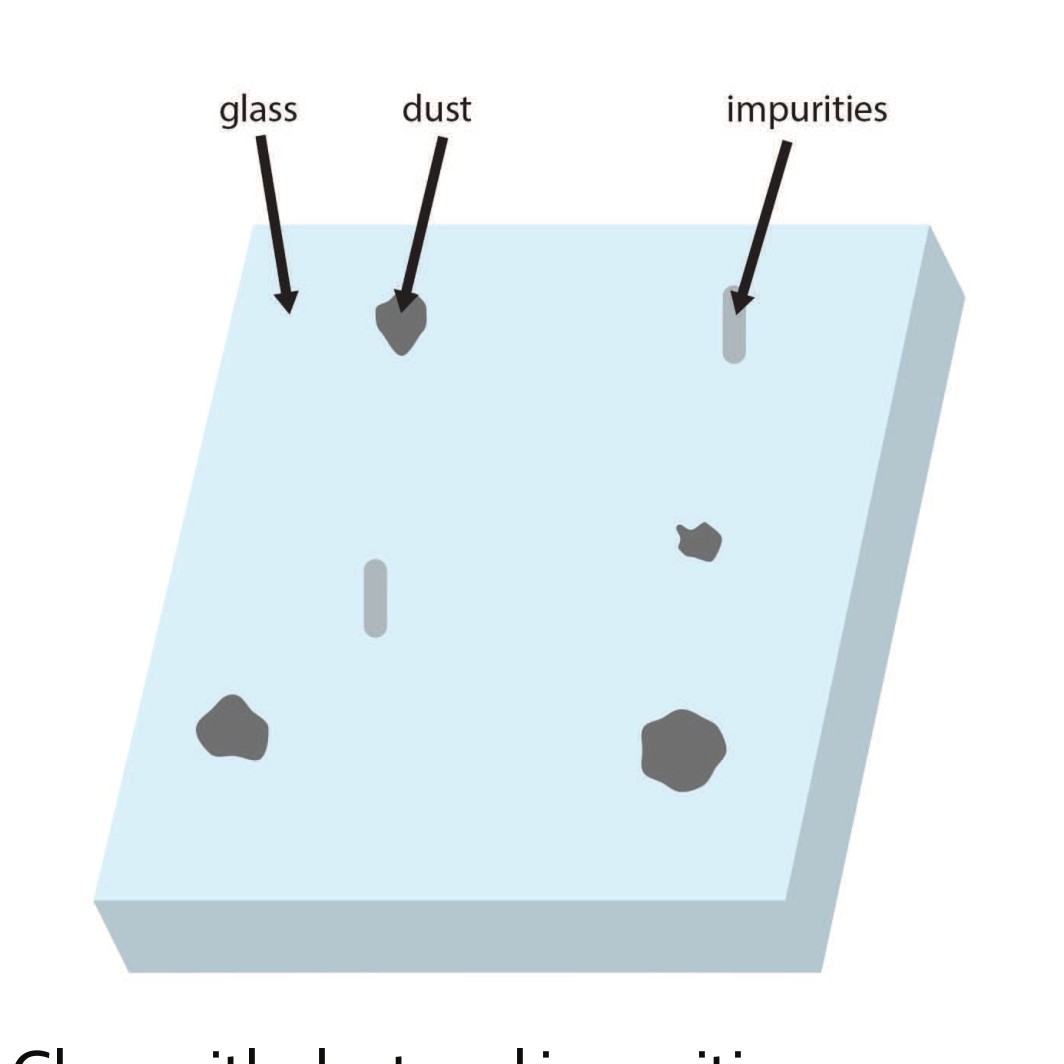
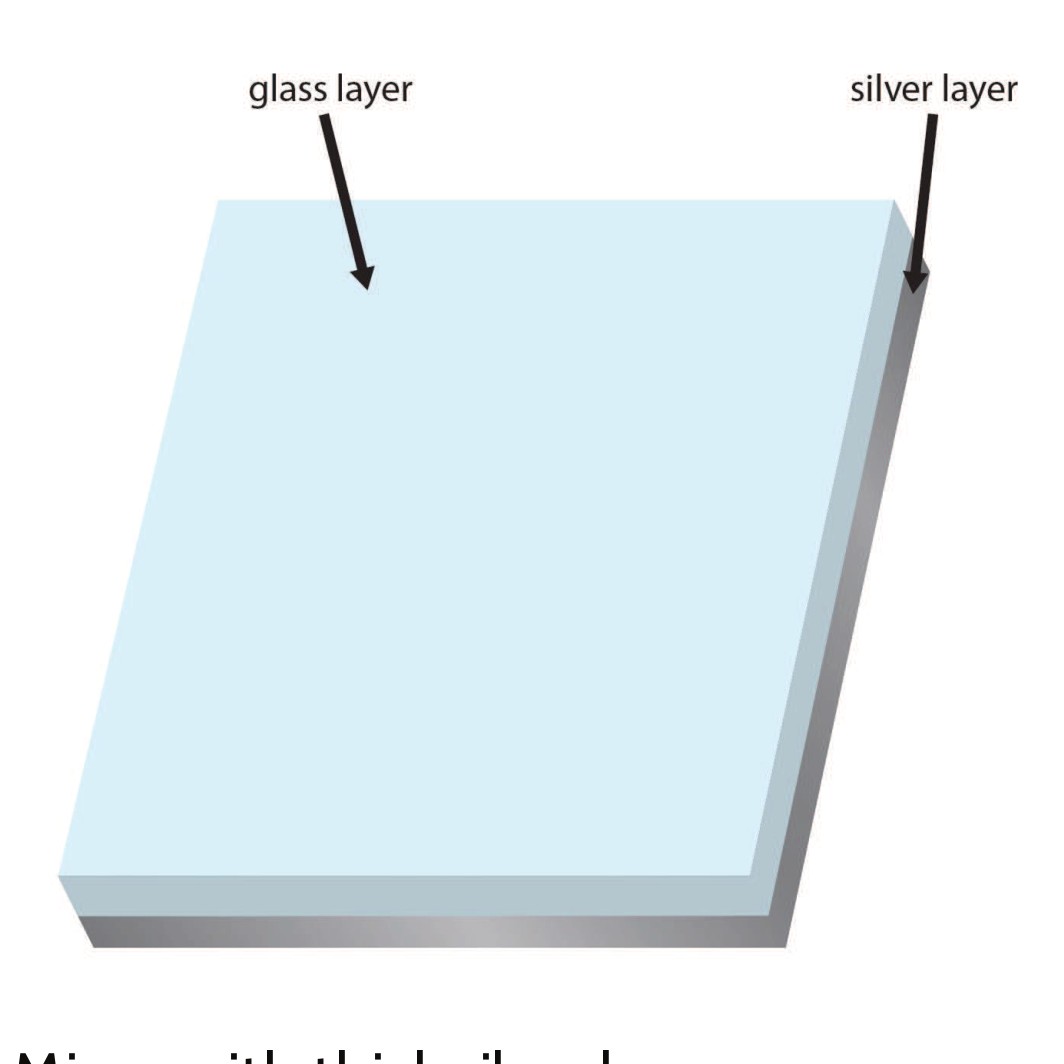
Pause and explain
Why is natural versus synthetic insufficient for choosing a container?
Check your reasoning after answering
Those labels do not supply evidence of leakage, durability, safety in intended use, or disposal impacts. The actual material properties and use conditions matter.
Part 3 · Compare an equivalent amount of service
A life-cycle comparison considers extraction, manufacture, transport, use, and disposal. Choose a common service before comparing totals, such as carrying the same load for 100 trips. A reusable product needs enough reuse to realize its advantages; repair, cleaning, and replacement can affect the comparison.
Read the visual model
Why compare 50 trips rather than one container of each kind?
Visual reasoning — after your attempt
One container of each may deliver different amounts of service. Comparing the same number of trips makes the performance and resource comparison meaningful.
If one container lasts 50 trips and another lasts 5, compare the number needed for the same 50 trips. Their masses and production demands may differ, and mass discarded is only one environmental measure, not a complete impact score.
Pause and explain
Why compare 50 trips rather than one container of each kind?
Check your reasoning after answering
One container of each may deliver different amounts of service. Comparing the same number of trips makes the performance and resource comparison meaningful.
Part 4 · Revise a design from measured evidence
Test relevant properties using a repeatable method and a safe sample. Keep load, exposure, and test time comparable. Record failures as well as successes. Select a design that satisfies required criteria, then explain the trade-off and a missing measurement that could change the choice.
Read the visual model
A design criterion is a requirement for success; a constraint is a limit such as cost or size. Use the graph to evaluate the stated leak criterion, then test whether the same revision still meets the other requirements.
At three minutes, how much less water has B leaked? What further check is needed before claiming the improvement is reliable?
Visual reasoning — after your attempt
A leaked 6 mL and B 1.5 mL, a difference of 4.5 mL. Repeat matched tests and consider variation; a single modeled comparison does not establish all design criteria.
For a leak test, use the same water volume and observation interval. For repeated-use data, record how many trials each sample survives. One successful test supports only that tested condition; it does not prove unlimited durability.
Pause and explain
How could an unequal test load make a comparison misleading?
Check your reasoning after answering
A weaker load may make one material appear more durable. Comparable loads and methods are needed to attribute a difference to the material or design.
Natural resources and different plastics
A flexible film and a rigid plastic container can both be called plastic yet serve very different purposes.
A natural resource is material or energy obtained from the environment, such as petroleum, natural gas, minerals or plant matter. Synthetic means made through human processing, often with chemical changes. The distinction describes origin and manufacture, not an automatic judgment that natural is safe or synthetic is harmful. A processed natural resource can become a new material with properties suited to a task.
Many plastics are polymers, materials containing long molecular chains. Chain composition, arrangement, branching, interactions and additives can change strength, flexibility and response to warming. An additive is an ingredient included to alter performance or processing. We do not need to memorize every plastic code to understand why all plastics are not equivalent. Some soften enough to reshape on warming, while others have networks that resist such reshaping; neither group should be heated or burned in a home identification test.
Evaluate a material using more than one source and the same useful service. A manufacturer’s durability claim, a measured reuse record and a disposal guide answer different questions. Ask who produced each source, which conditions it tested, what evidence it provides and what it omits. Include benefits such as clean-water delivery or durable equipment as well as concerns about resource use, production, waste and exposure. A balanced explanation assesses evidence and affected people, not whether the learner prefers a brand.
Evidence to interpret
| Illustrative source | Record | Limit |
|---|---|---|
| Performance trial | Film: 1 service; rigid container: 30 services | Matched task; production energy not measured |
| Disposal information card | Different products need different collection/processing | Local acceptance must be verified; not a durability test |
Explain and apply
Use the supplied two source records to explain one benefit, one concern and a needed follow-up for a film/container choice. Do not treat a resource label as a full safety or impact rating.
- Connect a synthetic material to a resource and processing.
- Use two different source records.
- Assess benefits, concerns and missing evidence fairly.
Reasoning and marking guidance — after your attempt
The reuse record supports longer tested service for the rigid container, while the disposal record warns that acceptance depends on product and local processing. Resource origin alone does not establish total impacts. Compare the same task, include cleaning and replacement, and obtain specific production/disposal information. Describe chains and processing as a plausible property explanation rather than proof from the label plastic.
Apply the whole unit · Choose a container for repeated use
Illustrative product data: A has mass 20 g, survives 5 trips, and passes the leak test; B has mass 60 g, survives 30 trips, and passes the same test; C has mass 35 g, survives 30 trips, but leaks. The job requires 30 trips without leaks.
Your task
Choose a qualifying design, calculate the material mass needed to provide 30 trips for A and B, and discuss why this calculation alone cannot establish the environmentally best option. Propose a useful follow-up test.
What your response should show
- Use the supplied observations and measurements accurately; include units where needed.
- Explain the science behind your answer, rather than giving only a number or label.
- Show a labeled model, calculation, or evidence comparison as requested.
- State an assumption or limitation and suggest a useful next measurement.
Response guidance — after your attempt
C fails the required leak criterion. A needs 6 containers totaling 120 g; B needs 1 totaling 60 g under the stated lifetimes. B uses less supplied product mass for this service. Manufacturing energy, cleaning, transport, disposal, and variation in lifetime are missing, so this is not a complete environmental ranking. Repeat leak and durability tests under the intended conditions.
Scientific references and adapted teaching resources
- OpenSciEd 7.1 Chemical Reactions & Matter — public unit overview
- OpenSciEd 6.2 Thermal Energy — public unit overview
- OpenSciEd instructional model — storyline routines
- Creative Commons Attribution 4.0 — middle-school material license
Parent / teacher teaching notes
Have the learner mark disqualifying criteria first, then calculate equivalent service. Separate a supported choice for this job from a claim about all environmental impacts. The application uses supplied data; physical testing is optional and should use safe containers. Adaptation credit: OpenSciEd middle-school teaching routines and public task structures by OpenSciEd, CC BY 4.0. This independent version adds original explanatory text, data and figures, terminology support and a home-study schedule. It does not reproduce the complete teacher editions or their classroom validation. The illustrated study “Natural resources and different plastics” is required curriculum content. Teach it before the associated application or distribute it over the assigned unit sessions; it is not an optional enrichment. Its practice/review/quiz response provides evidence of understanding. Model/data work must not be recorded as an actual physical experiment.
The key idea
Choose materials using properties and evidence, and consider benefits and environmental trade-offs.
Worked examples
Example 1
- Compare a property relevant to the task: water absorption.
- The plastic sample absorbs less water under the same test conditions.
- Choose it for water resistance; investigate reuse and disposal separately.
Example 2 · Worked application
- Find bags needed: 60/3=20 for A and 60/30=2 for B.
- Total material is 20×15=300 g and 2×90=180 g.
- State the boundary: this counts material only, assuming the stated lifetimes and no lost bags.
Equivalent trips must be compared; weight of one unused bag is insufficient.
Example 3
- Divide each bag's material by its number of trips: 20/2 and 100/20.
- Compare 10 g/trip with 5 g/trip, while noting that energy, cleaning and disposal are not included.
Example 4 · Find and fix the mistake
- Test the claim against the stated conditions: Equivalent trips must be compared; weight of one unused bag is insufficient.
- A lighter item may need more replacements. Energy, washing, disposal and actual reuse also affect total impact.
Equivalent trips must be compared; weight of one unused bag is insufficient.
Example 5 · Interpret the visual model
- Identify the represented objects, axes, labeled quantities and stated conditions before choosing a rule.
- Structure describes how materials are arranged; a property describes their measured response under conditions. Processing and assembly can change the arrangement. A useful design explanation connects the feature to a particular mechanism and a measurable outcome.
- Radiation or conduction through contacts can remain, and moving air may contribute. Compare matched temperature-versus-time records and other design criteria instead of claiming all energy transfer stops.
Keep the model’s stated limits explicit: The two schematics distinguish a single wall from an arrangement with two walls and an air gap. A gap can reduce some conduction pathways, while radiation, air movement and contact bridges can still transfer energy. The model predicts a mechanism, not a guaranteed performance ranking without comparable measurements. Wall thickness, sealing, material amount and cost also matter.
Avoid these mistakes
- Natural does not automatically mean harmless, and synthetic does not automatically mean harmful.
Check your understanding
Bag A survives 2 trips and uses 20 g of material; bag B survives 20 trips and uses 100 g. Compare material per trip, ignoring other impacts.
Discuss the answer
B uses 5 g/trip versus A's 10 g/trip in this model; the model alone does not settle total environmental impact.
Why must two material designs be compared for an equivalent task?
Discuss the answer
Start a material choice by naming the job and constraints. A raincoat must keep water out and allow movement; a bridge cable needs strength under tension. Rank the important properties before comparing materials, because one useful property may come with an unwanted trade-off. Use measurements rather than labels such as natural or synthetic as a substitute for evidence. Record how many times a material can be reused, how much mass is needed and how it behaves in the intended environment. Production methods can change the properties of materials made from similar resources.
Return to the phenomenon
Illustrative container trials give material A 0 leaks in 3 tests but only 2 successful reuse cycles; B 1 leak in 3 tests and 20 reuse cycles. Costs and manufacturing impacts are unknown. Choose a provisional material for one stated use. Compare water resistance and reuse, and specify a missing measurement instead of declaring a universal winner. Revise your first explanation using a named idea from the lesson. Mark the changed part and the evidence that supports it.
Compare explanations after your attempt
For a leak-sensitive one-time model test, A’s observed leak record is favorable. For repeated use, B’s larger tested lifetime matters, but one observed leak requires improvement or further testing. Cost and full environmental impacts remain unknown. A recommendation must identify the intended criterion and hard constraints rather than combine unlike measures without a rule.
What should we investigate next?
Which condition could be changed to test a remaining uncertainty in this explanation? State the predicted observation and what result would challenge your model.
Investigate, explain and revise
Use these tasks after the three teaching sessions as needed. Discuss an attempted explanation before opening response guidance; a matching sentence is less important than a supported mechanism.
Activity 1 · Explain the new evidence case
Use the visible scenario above, Parts 1–4 and your first notebook model. No outside reading or equipment is required.
Your task
Illustrative container trials give material A 0 leaks in 3 tests but only 2 successful reuse cycles; B 1 leak in 3 tests and 20 reuse cycles. Costs and manufacturing impacts are unknown. Choose a provisional material for one stated use. Compare water resistance and reuse, and specify a missing measurement instead of declaring a universal winner. Write 100–150 words or give a labeled drawing with an equivalent oral explanation.
Success criteria
- Use two relevant stated records or conditions.
- Explain the mechanism rather than only repeat a definition.
- Label observation and inference.
- Name a changed model feature or a remaining uncertainty.
Hint
Read the stated boundary and conditions before selecting a relationship. The unit’s worked examples show intermediate steps.
Response guidance — discuss after your attempt
For a leak-sensitive one-time model test, A’s observed leak record is favorable. For repeated use, B’s larger tested lifetime matters, but one observed leak requires improvement or further testing. Cost and full environmental impacts remain unknown. A recommendation must identify the intended criterion and hard constraints rather than combine unlike measures without a rule.
Activity 2 · Read and extend the figure
Study the new labeled figure and its caption, then compare it with the associated teaching part.
Your task
Which stage is measured by a one-minute leak test? Explain what each important label represents. Add one missing feature that would be needed for a different question, and explain why the original figure leaves it out.
Success criteria
- Answer the figure question with its stated labels.
- Connect the visual representation to the scientific idea.
- Identify a specific limitation from the caption.
- Propose a useful change without misrepresenting supplied evidence.
Hint
A life-cycle model asks about resources, processing, use and what happens afterward. Arrows represent stages to investigate rather than equal impact amounts. A material can perform well in a leak test without that test establishing its entire environmental impact.
Response guidance — discuss after your attempt
One use-performance feature. It does not measure extraction, manufacturing energy, lifetime reuse or disposal impacts. A life-cycle model asks about resources, processing, use and what happens afterward. Arrows represent stages to investigate rather than equal impact amounts. A material can perform well in a leak test without that test establishing its entire environmental impact.
Words to know
- synthetic material
- A material made through human-directed processing, often involving chemical reactions.
- constraint
- A limit that a design must satisfy.
- trade-off
- A benefit gained at the cost of another desirable feature.
- model
- A representation that explains selected features and makes predictions; it leaves other details out.
- evidence
- Relevant observations or records used to support or challenge a claim.
- system boundary
- The chosen limit separating the objects being studied from their surroundings.
- assumption
- A condition taken as true for a model or calculation and needing to be checked against the case.
In the real world
Exit check
Which stage is measured by a one-minute leak test? Explain the relevant mechanism and one model limitation.
Check your explanation after answering
One use-performance feature. It does not measure extraction, manufacturing energy, lifetime reuse or disposal impacts. A life-cycle model asks about resources, processing, use and what happens afterward. Arrows represent stages to investigate rather than equal impact amounts. A material can perform well in a leak test without that test establishing its entire environmental impact.
Explain your reasoning without notes. If a key idea is missing, revisit the lesson and try again.
Problem 1
- Color
- Electrical conductivity
- Odor
- Transparency
Answer and explanation
Electrical conductivity
Charge must move through the wire.
Problem 2
Answer and explanation
Safety depends on the specific material, exposure, and use, not only its origin.
Problem 3
Answer and explanation
It can be reused because it is durable; its durability can also make discarded waste persist.
Problem 4
Answer and explanation
B uses 5 g/trip versus A's 10 g/trip in this model; the model alone does not settle total environmental impact.
Divide each bag's material by its number of trips: 20/2 and 100/20.
Compare 10 g/trip with 5 g/trip, while noting that energy, cleaning and disposal are not included.
Response criteria
- Use the stated conditions.
- Show the evidence or calculation.
- Explain the conclusion and any stated limitation.
Problem 5
Hints
Equivalent trips must be compared; weight of one unused bag is insufficient.
Answer and explanation
240/120=2 g/use. This omits production energy, cleaning and disposal and assumes all 120 uses occur.
Problem 6
Hints
State what the supplied observations or conditions establish, and separate that from any assumption.
Answer and explanation
Compare required load capacity and durability under salt exposure, then cost and other constraints. Strength alone cannot decide suitability.
Problem 7
Answer and explanation
One use-performance feature. It does not measure extraction, manufacturing energy, lifetime reuse or disposal impacts.
One use-performance feature. It does not measure extraction, manufacturing energy, lifetime reuse or disposal impacts.
Response criteria
- Use the supplied conditions and relevant evidence.
- Explain the scientific mechanism or calculation.
- State a meaningful limitation or testable next step.
Problem 8
Answer and explanation
For a leak-sensitive one-time model test, A’s observed leak record is favorable. For repeated use, B’s larger tested lifetime matters, but one observed leak requires improvement or further testing. Cost and full environmental impacts remain unknown. A recommendation must identify the intended criterion and hard constraints rather than combine unlike measures without a rule.
For a leak-sensitive one-time model test, A’s observed leak record is favorable. For repeated use, B’s larger tested lifetime matters, but one observed leak requires improvement or further testing. Cost and full environmental impacts remain unknown. A recommendation must identify the intended criterion and hard constraints rather than combine unlike measures without a rule.
Response criteria
- Use the supplied conditions and relevant evidence.
- Explain the scientific mechanism or calculation.
- State a meaningful limitation or testable next step.
Problem 9
Hints
Use the illustrated study titled Natural resources and different plastics. Keep the observations, model and conditions separate.
Answer and explanation
The reuse record supports longer tested service for the rigid container, while the disposal record warns that acceptance depends on product and local processing. Resource origin alone does not establish total impacts. Compare the same task, include cleaning and replacement, and obtain specific production/disposal information. Describe chains and processing as a plausible property explanation rather than proof from the label plastic.
The reuse record supports longer tested service for the rigid container, while the disposal record warns that acceptance depends on product and local processing. Resource origin alone does not establish total impacts. Compare the same task, include cleaning and replacement, and obtain specific production/disposal information. Describe chains and processing as a plausible property explanation rather than proof from the label plastic.
Response criteria
- Connect a synthetic material to a resource and processing.
- Use two different source records.
- Assess benefits, concerns and missing evidence fairly.
Problem 10
Answer and explanation
Radiation or conduction through contacts can remain, and moving air may contribute. Compare matched temperature-versus-time records and other design criteria instead of claiming all energy transfer stops.
Structure describes how materials are arranged; a property describes their measured response under conditions. Processing and assembly can change the arrangement. A useful design explanation connects the feature to a particular mechanism and a measurable outcome.
Radiation or conduction through contacts can remain, and moving air may contribute. Compare matched temperature-versus-time records and other design criteria instead of claiming all energy transfer stops.
Response criteria
- Use the named labels, directions or supplied quantities accurately.
- Connect the visual evidence to the scientific mechanism or calculation.
- State the relevant model conditions or limitation.
Problem 11
Answer and explanation
A uses 8 initial material-units; B uses 40 for 20 cups. Cleaning energy/water, production, transport, disposal and actual lifetime are omitted, so initial material alone is not a complete impact ranking.
Compare the same amount of service.
Keep the measured raw-material comparison separate from the full life cycle.
A uses 8 initial material-units; B uses 40 for 20 cups. Cleaning energy/water, production, transport, disposal and actual lifetime are omitted, so initial material alone is not a complete impact ranking.
Response criteria
- Use the named labels, directions or supplied quantities accurately.
- Connect the visual evidence to the scientific mechanism or calculation.
- State the relevant model conditions or limitation.